Home School Support Network

Helping homeschool families raise capable, confident kids.

  • Home
  • Podcast
  • About this site
  • About the Osbornes
  • Online Academy
    • Registration Page
    • Frequently Asked Questions
    • Class Login
  • Join the Community!
  • Contact Us
Busy Bags for Preschoolers

Sherry Osborne May 7, 2012

Busy Bags for Preschoolers

These discovery bootles are our contribution to a busy bag swap with our local home school support group. this busy bag swap is for items appropriate for 2-3 year olds.
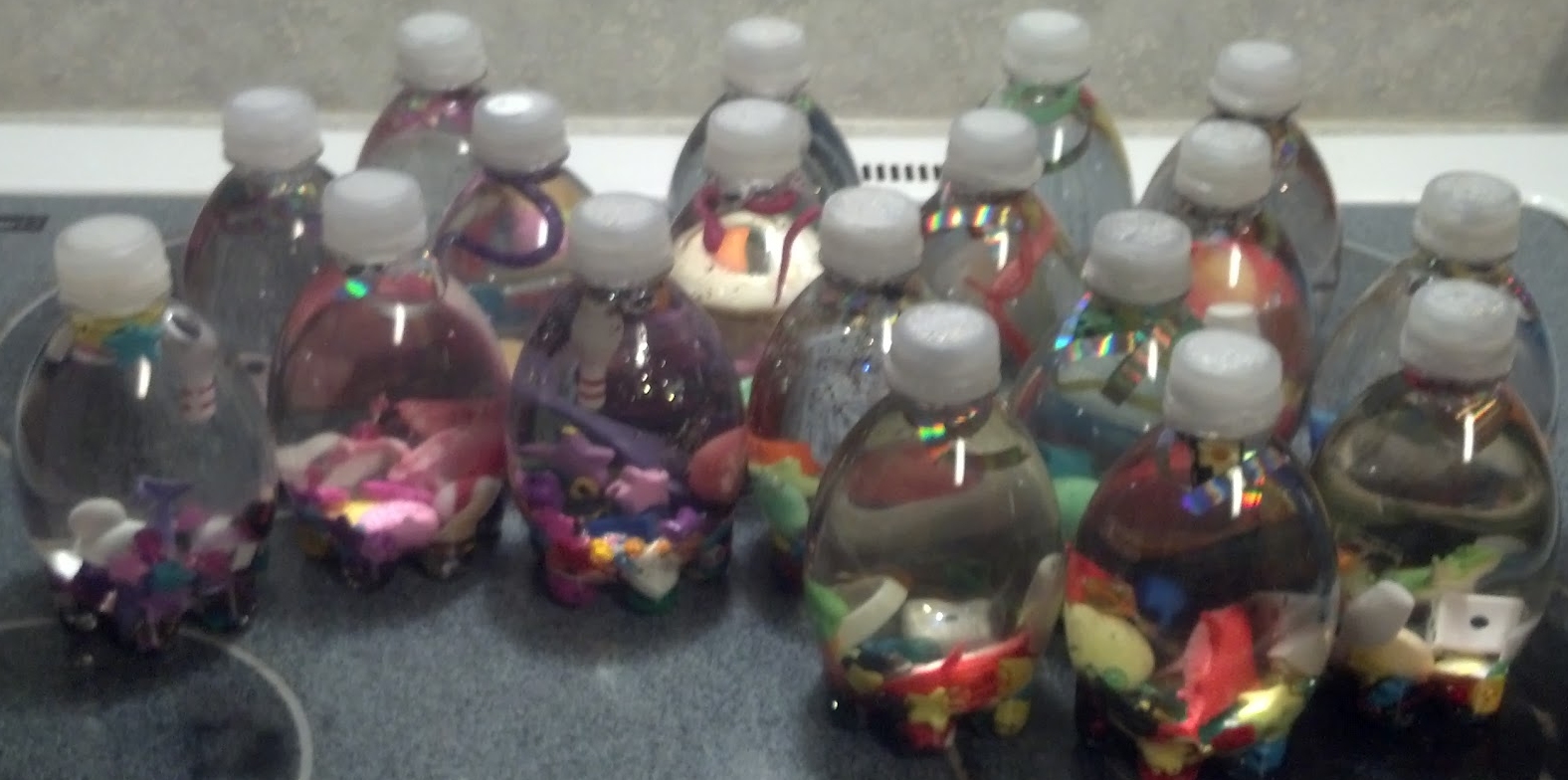
Busy Bag Discovery Bottles All

My boys and I had so much fun making these bottles!  They kind of evolved from ‘just’ a neat thing to look at to a challenge for an older child. Because this change of gears happened after I started making them, the bottles don’t have all of the same items (which adds to the challenge). I thought I would create a check list that you can print out for any older siblings.
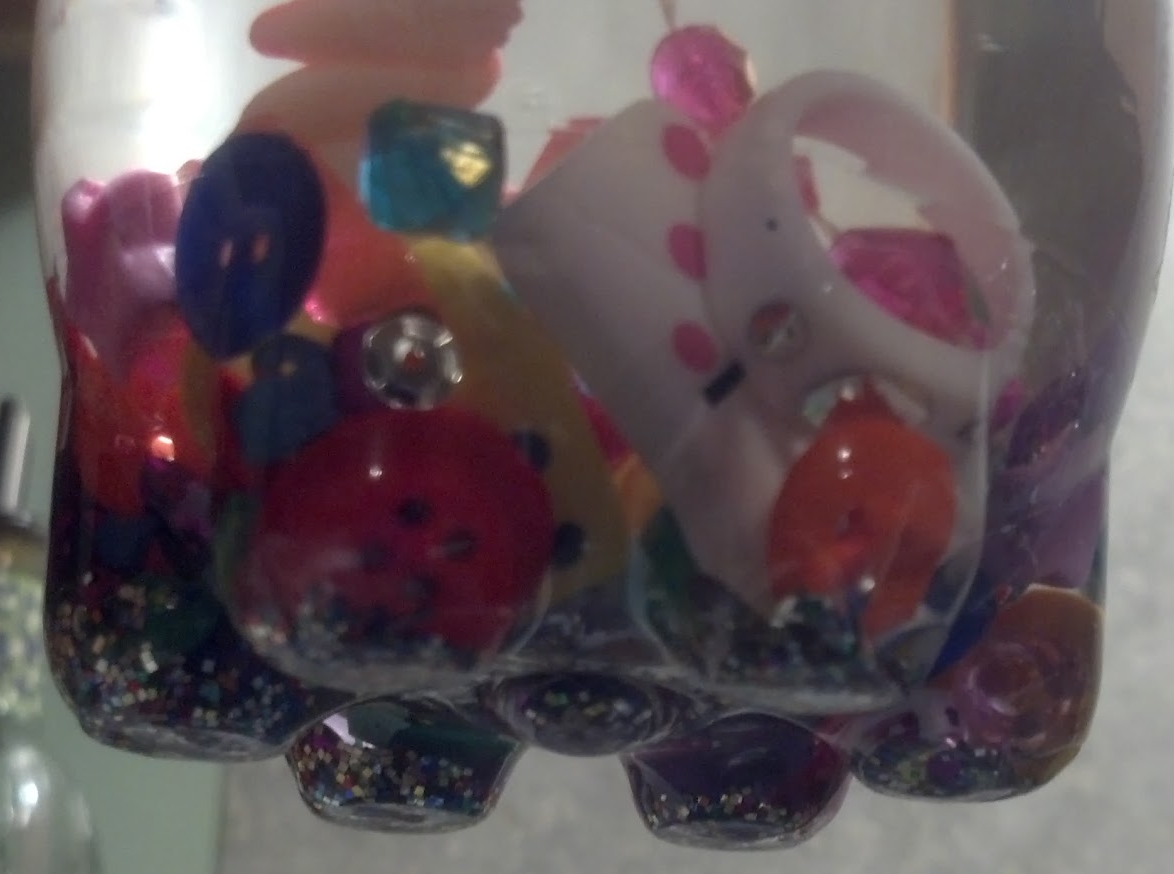
Close up of Discovery Bottle
Contents of a Discovery Bottle (Click for close up)
  • ABC letters- Can you spell a word with your letters?
  • pony beads- How many different colors?
  • bowling pin
  • domino- Add the two numbers to find the sum.
  • die
  • marble
  • car Squinkie
  • frog
  • buttons- How many can you count?
  • star beads
  • gold stars
  • car, airplane, and train buttons
  • aquarium rocks
  • sea shell
  • zoo animal
  • whale
  • heart
  • 2 googly eyes
  • shimmery ribbon
  • sequins- 3 colors (one is hard to find)
  • Lego- It may not look like a typical piece!
  • ring
  • penny & dime (one has 2 pennies & dimes- a little helper lost track)
  • ladybug button
  • circle sparkle “gem”
  • nail
  • Lite Brite piece- look hard!
  • ice cream/dessert
  • smily face ball

The next posts on Busy Bags will provide pictures of items we received in the busy bag swap as well as tips on making items durable without breaking the bank.
Filed Under: Fun, General Tagged With: Arts and Crafts, Crafts, Fun, Preschool

Notebooking Lessons Learned

Sherry Osborne April 30, 2012

Notebooking Lessons Learned

http://traffic.libsyn.com/daddylife/HSSN015-Notebooking-Lessons.mp3

Podcast: Play in new window | Download

Subscribe: Apple Podcasts | RSS

At the Teach Them Diligently Homeschool Convention I attended a session led by Jeannie Fulbright. This episode of our podcast will feature some of the things I learned from this session.

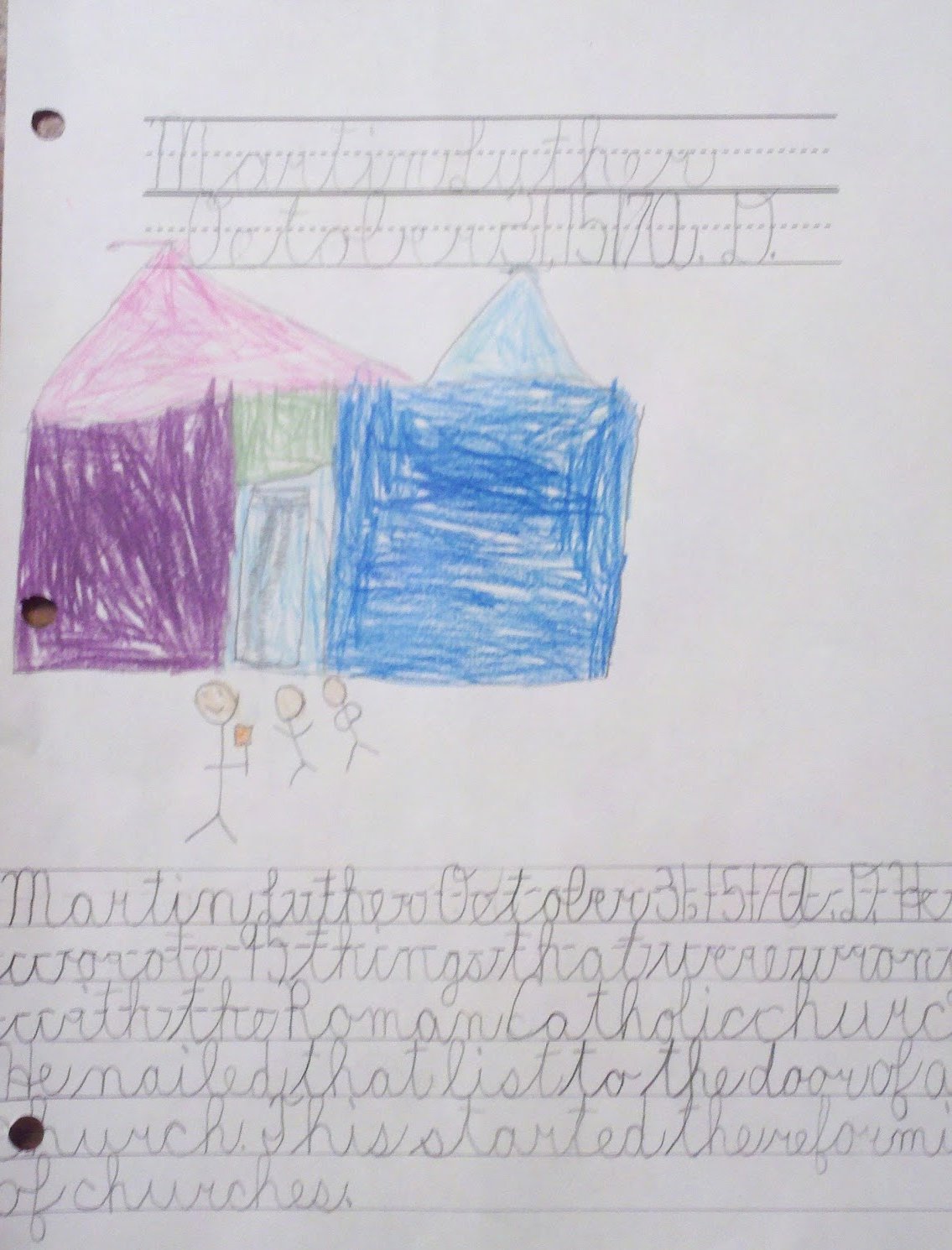
1st Grade Notebooking Page
Timeline example completed at the end of 1st grade. Riley summarized what he learned about Martin Luther after reading a couple of quality books.

Podcast Episode 15 Show Notes

  • I briefly mentioned Notebooking in a Methods of Homeschooling blog post with a promise to go into more detail. I went to this session and for the first time received a good understanding of what “notebooking” is and the curriculum that uses this method.
  • Jeannie Fulbright uses “a methodology of education that employs a child’s comprehension, critical thinking, and creativity to produce a permanent work of artistic and academic value.” This method is based on a Charlotte Mason approach (see previous blog post) which can be linked back to how many great thinkers of the past kept a learning notebook (IE Leonardo & G. Washington).
  • Highschool lab manuals are basically Notebooking.
  • You can use Notebooking with ANY curriculum.
  • It uses “narration” which is telling back in your own words what you have learned.
  • Is a great way to retain what is learned. You would read a book then the child draws a picture and writes what they learned or a summary. The child has to mull over the material. They forget what is read/learned if they don’t do anything with the information other than taking a quiz.
  • It becomes a record of learning for the year.
  • The child “owns” the book AND the knowledge that is in the book he/she created.
  • Include in the Notebook: maps, mini books/lapbooks, photos of trips or projects, field trip reports, copywork, timelines, summaries, newspaper articles, brochures, and charts/diagrams.
  • Notebooking does take more time than a test or quiz.
  • Don’t go overboard by doing one everyday.

Lets look at typical assessments for a minute.

  • Notebooking replaces “artificial assessment” with authentic learning. Typical assessments don’t increase learning potential and they do not engage the child.
  • In the lower grades, typical assessments do not develop critical thinking.
  • no contemplation and it doesn’t engage the whole mind.
  • makes the purpose of learning about the test
  • uses mostly short term memory

Other Links mentioned in this episode:

Lapbooks Podcast Episode

Notebooking Pages – Free Sample Page Downloads

Apologia Science

Subscribe to the Home School Support Network:
Blog RSS iTunes Page Podcast RSS


Other examples of Riley’s Notebooks:

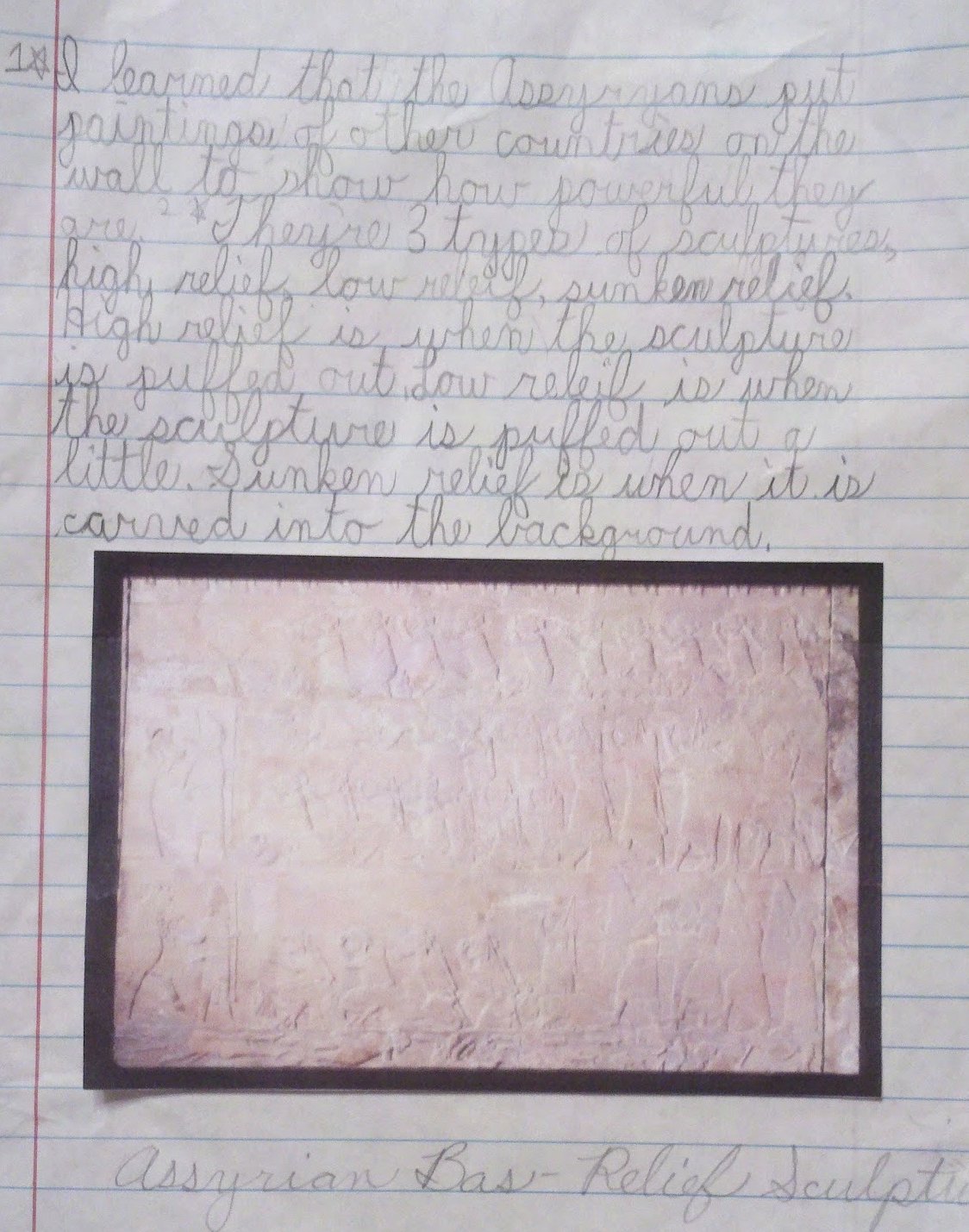
3rd Grade Notebook Page
This is a 3rd grade example of a summary of what a "Relief Sculpture" is. It was completed in our study if Assyria.
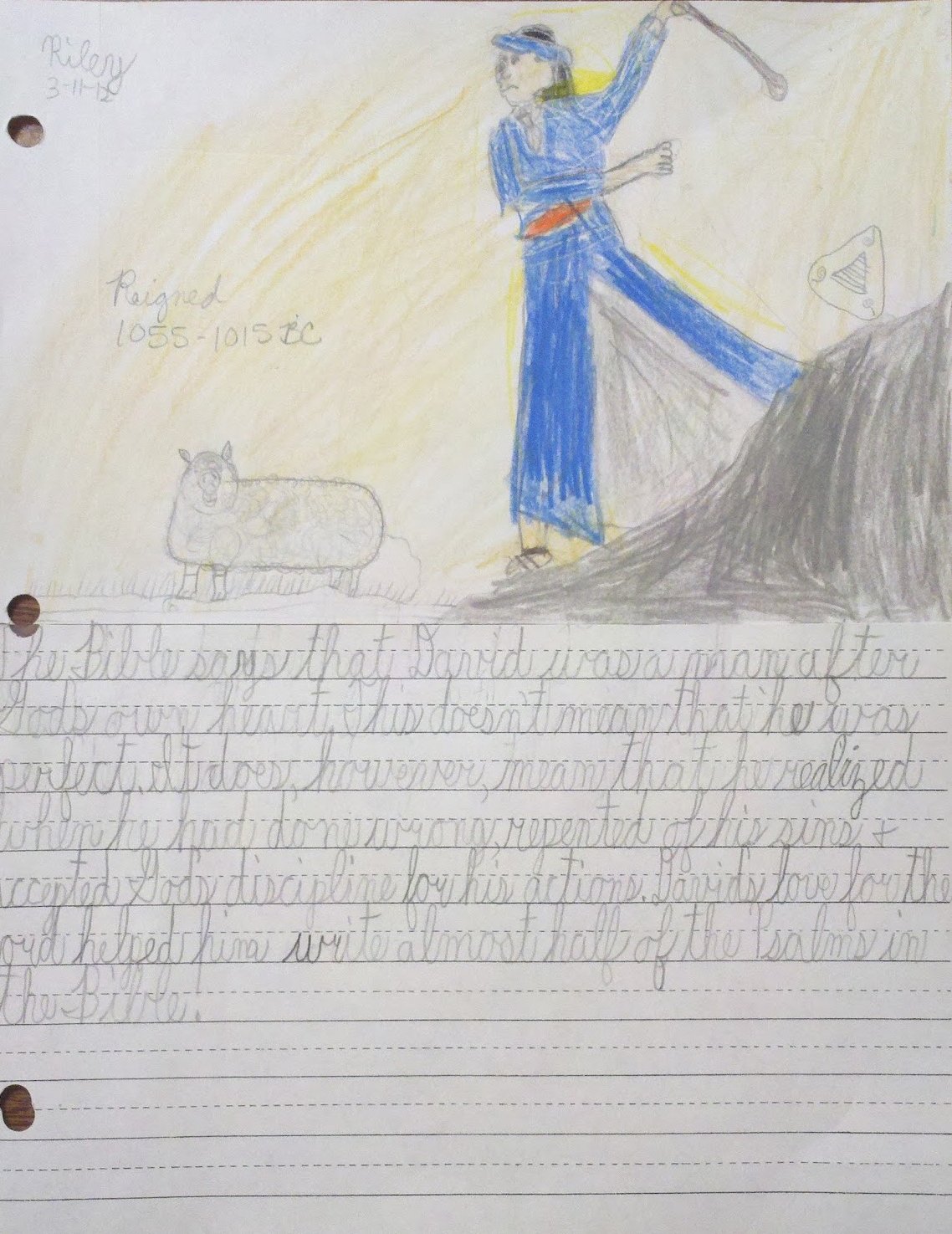
Copy Work Example
Copy work example included in a history notebook. Riley completed this in 3rd grade. Copy work focuses on handwriting and correct sentence formation/grammar.
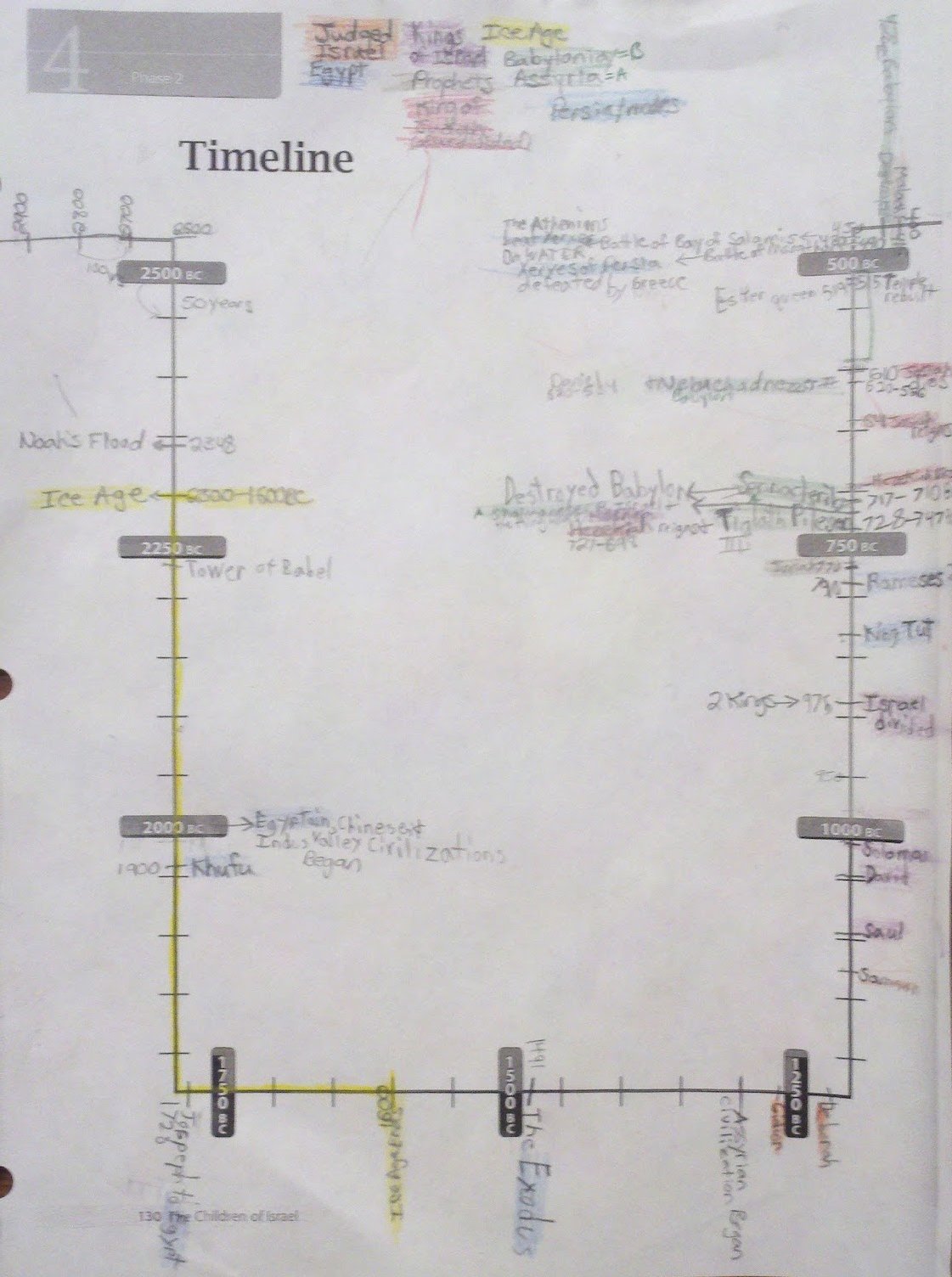
Historical Notebooking Timeline Example
Historical Timeline Example of what would be included in a notebook.
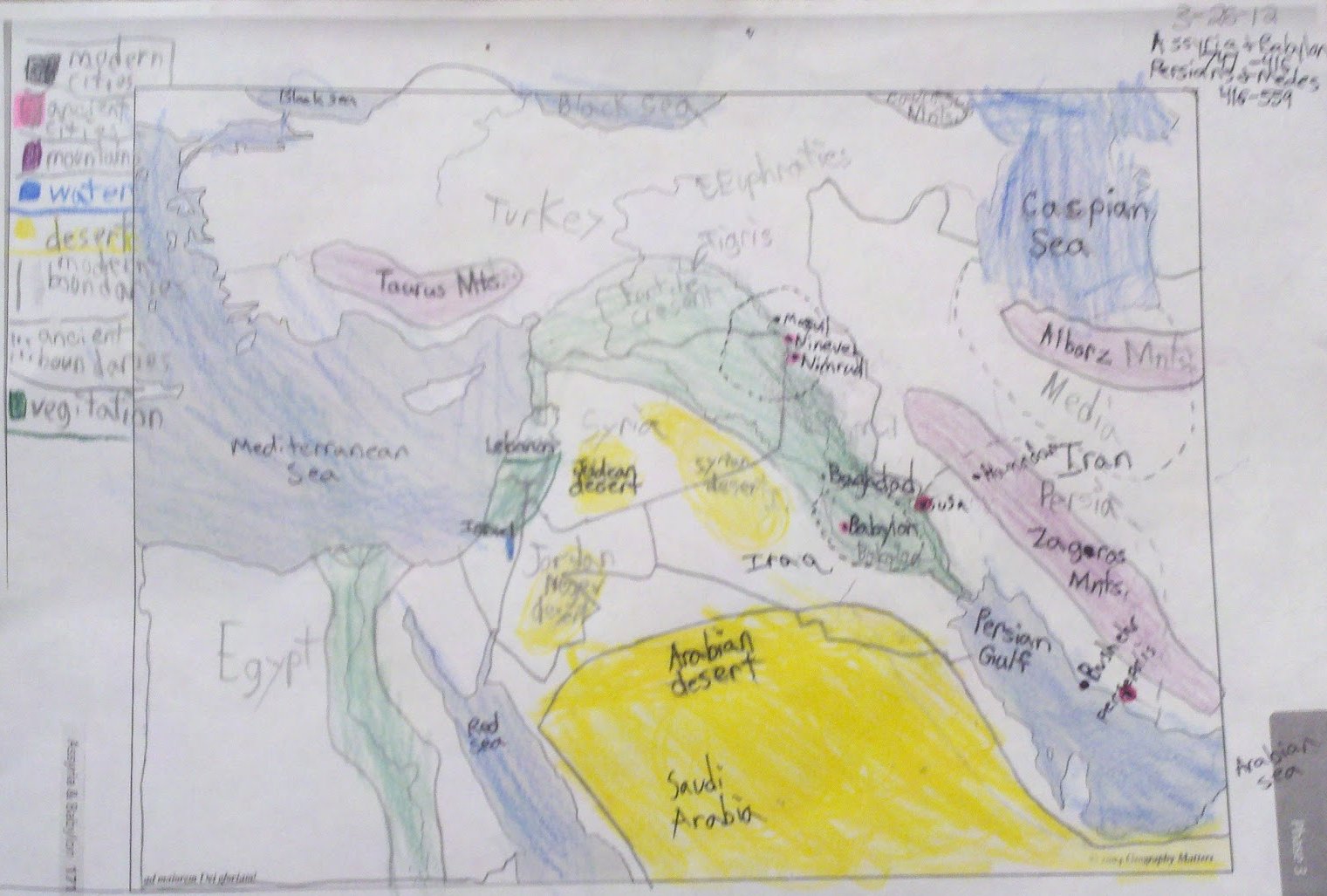
Notebooking Map Example
Map of ancient civilizations and the Bible. Include maps in your notebooks.

Filed Under: Giveaway, Methods, Podcast Tagged With: Curriculum, How-to, Methods, Science, South Carolina

Homemade Toothpaste

Sherry Osborne April 24, 2012

Homemade Toothpaste

I recently had the book The Toothpaste Millionaire by Jean Merrill recommended to me to read to my boys. A quick search at our local library turned up the book and excitement was on my 9 year old’s face as he read the title (I’m guessing the attention getter was the word “millionaire” NOT the word “toothpaste”!).

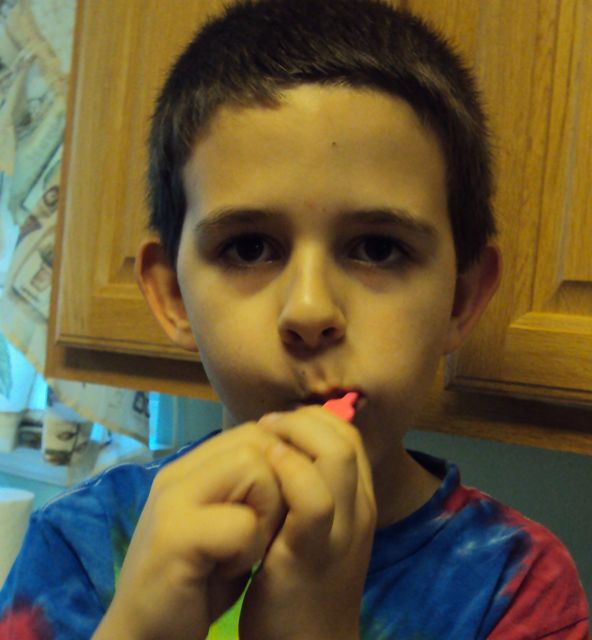
Riley Brushing

We read the book, breaking it up into smaller chunks over several days. The book is about a boy and his friend and their quest to make- and then sell- affordable toothpaste. It was refreshing to find a book with an interesting plot and no objectionable character or language. My son and I recommend this book! Note: There is an updated version of this book (of at least  the cover but I don’t know about the content). We read the older version.

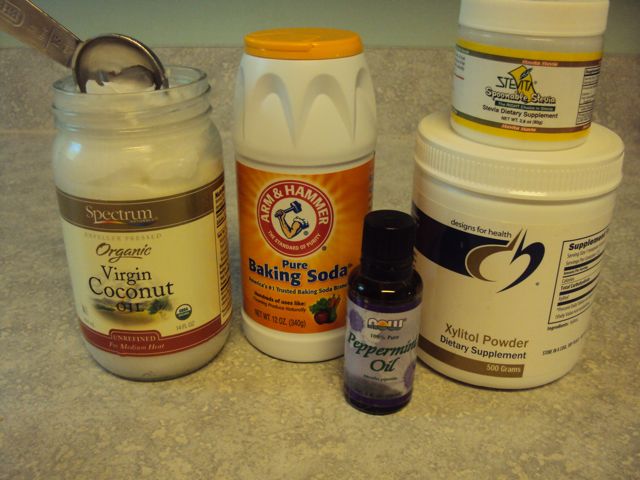
Homemade Toothpaste IngredientsI did a quick Google search for “homemade toothpaste recipe” and quickly discovered we already HAD all the ingredients to make our own toothpaste. You can’t get any cheaper than that!! We did this as the culminating activity to our reading and have been using it now for weeks. I actually prefer the homemade stuff as it feels like my teeth are cleaner!

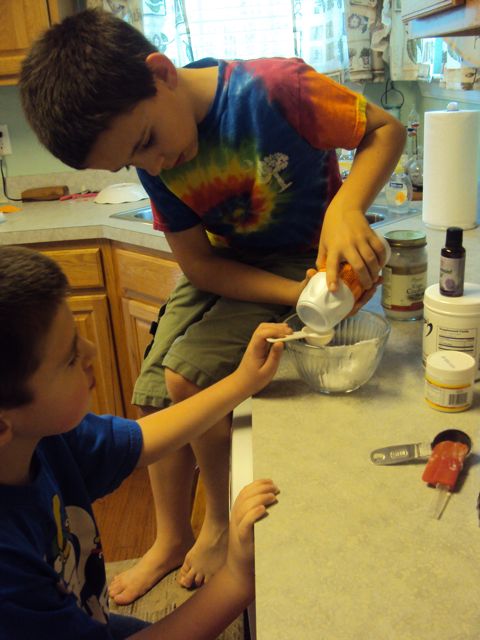
Riley and Caden making toothpasteI used Tammy’s Recipes website and found the step by step pictures easy to follow. It took literally just minutes! I haven’t let my four year old use this toothpaste because he just hasn’t mastered the whole “don’t swallow” thing but my nine year old loves it. As for safety, I asked the boys’ dentist to see if the baking soda is harmful and I received an okay from that standpoint. His concern was the lack of fluoride, which neither I nor the boys, have used for about two years now without any problems.

Another concern I’ve heard is about the essential oils being “food grade”. The opinions over this go back and forth so I’ll let you decide on that. I will say that you can find food grade oils online, and maybe even at your local health food store. They are more expensive than non-food grade but many are still pretty reasonably priced.

So if you are looking for a quick summer read and activity, keep this one in mind. As a bonus, you get some “natural toothpaste” too! Happy reading!

Filed Under: Science Tagged With: How-to, Math, Science

  • « Previous Page
  • 1
  • 2
  • 3
  • 4
  • 5
  • 6
  • Next Page »

Categories

  • Academy
  • Books
  • Chores
  • Curriculum
  • Fun
  • General
  • Giveaway
  • Handwriting
  • Methods
  • Phonics
  • Podcast
  • Reading
  • Science
  • Special Needs
  • Spelling
  • Time Management
  • Uncategorized
  • Video

Recent Comments

  • michael shestko on Teaching Letter Sounds Through Writing
  • Dawn Griffin on South Carolina Home School Law
  • Cursive First Handwriting Curriculum - Janelle Knutson on Teaching Reading and Writing with Cursive First
  • Sadelina Dowling on Teaching Reading and Writing with Cursive First
  • Interview with Julie Bogart of Brave Writer, pt 2 (Ep #60, 11/29/15) - Savvy Homeschool Moms podcast on Teaching Reading and Writing with Cursive First

RSS Caden’s Page

  • Oxygen Off Surgery On
  • Discharge in sight
  • Numbers 36 – 7 – 5 – 8
  • Rough 24 Hours
  • Ups and Downs with a little drama
  • Double Whammy Day 2

RSS Daddy Life

  • Blocking Inappropriate Ads
  • Mom’s Notes on MP3
  • The Root is at Home
  • GFI National Family Conference 2013
  • Raising Girls

Find us on Social Media

Twitter
Facebook
Google+

Blogroll

  • Documentation
  • Plugins
  • Suggest Ideas
  • Support Forum
  • Themes
  • WordPress Blog
  • WordPress Planet
  • iTunes
  • Podcast feed
  • Twitter
  • Facebook
  • Pinterest
  • YouTube
  • Subscribe to our newsletter
  • Blog RSS
  • Google+

Copyright © 2026 · Streamline Pro Theme on Genesis Framework · WordPress · Log in